DO YOU REALLY KNOW?????????
1, Do you know every component of the food u cook has their own special taste.
2, Do. you know paper plays very important role in organizing the general taste of your ingredients.
3.Do you know proper timing of your food ingredients, as you put them into your pot,it gives you your own special taste?
4. Do you know that the bitterness of better leaf adjusts to heat and touch?
5. Do you know that yams are of different spices and local names in Nigeria my country?
6. Do you know that different source gives different taste and each are best for different kind of food?
7. Do you know there are some ingredients used to thicken soups?
8. Do you know there are some beans species that has a very sweet (sugary) taste as you eat?
9. Do you know there are different kind of rice with their taste, and that some rice allow you get the full taste of your stew and some do not.
10. Do you know that the ability for you to bring different ingredients together to give a special taste is a secret..
Saturday, 28 October 2017

Wednesday, 11 October 2017
SPECIAL AFRICAN FOODS: HOW TO LOCALLY PRESERVE TOMATO FOR ABOUT SIX MONT...
SPECIAL AFRICAN FOODS: HOW TO LOCALLY PRESERVE TOMATO FOR ABOUT SIX MONT...: HOW TO LOCALLY PRESERVE TOMATO FOR ABOUT SIX MONTHS OR MORE We eat tomatoes almost in every meal we take. I will be very straight in mos...
HOW TO LOCALLY PRESERVE TOMATO FOR ABOUT SIX MONTHS OR MORE 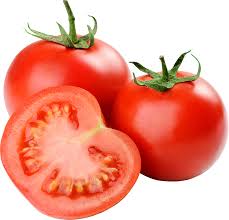 We eat tomatoes almost in every meal we take. I will be very straight in most areas, and i am taking nigeria my country as a case study.
We have lots of tomatoes farmers in the country hence we have lots of the products available , but the little problem is simply hurding because of lack of education I presume/ Going around some MARKETS in my area, I always notice wasted tomatoes not being bought simply because of price. But lots of persons need these tomatoes and can not afford it, so they are allowed to spoil. If u buy tomatoes for 10 and sell for 10 1/2 or 11, u get more, sell more and earn more, the most of all you are able to push more to the least mam out there. you are going to grow in business.
PROCESSING; You are going to buy as many tomatoes as u can, grind to your desired level, turn into your cooking put and cover. Put on the fire to boil till the water content is completely dried to the last drop, then remove from fire and allow to completely cool down.
CANNING; You are going to get for your self an airtight container. But for me I used a BAMA bottle that is as tick as 3mm.
Fill in your boiled dry tomatoes into bottles then cover air tight and then return filled bottles to your pot containing an ordinary water. You then put the pot containing the filled bottles with boiled dry tomatoes on the fire to heat up to about 30minutes without boiling.
You drop it down and allowed to completely cool down. When completely cool, you are home and dry.You have a preserved tomato past.
NOTICE; One's you open a bottle it can only be preserved by refrigerating.
VIDEO of this come soon ................................
We have lots of tomatoes farmers in the country hence we have lots of the products available , but the little problem is simply hurding because of lack of education I presume/ Going around some MARKETS in my area, I always notice wasted tomatoes not being bought simply because of price. But lots of persons need these tomatoes and can not afford it, so they are allowed to spoil. If u buy tomatoes for 10 and sell for 10 1/2 or 11, u get more, sell more and earn more, the most of all you are able to push more to the least mam out there. you are going to grow in business.
PROCESSING; You are going to buy as many tomatoes as u can, grind to your desired level, turn into your cooking put and cover. Put on the fire to boil till the water content is completely dried to the last drop, then remove from fire and allow to completely cool down.
CANNING; You are going to get for your self an airtight container. But for me I used a BAMA bottle that is as tick as 3mm.
Fill in your boiled dry tomatoes into bottles then cover air tight and then return filled bottles to your pot containing an ordinary water. You then put the pot containing the filled bottles with boiled dry tomatoes on the fire to heat up to about 30minutes without boiling.
You drop it down and allowed to completely cool down. When completely cool, you are home and dry.You have a preserved tomato past.
NOTICE; One's you open a bottle it can only be preserved by refrigerating.
VIDEO of this come soon ................................
Tuesday, 10 October 2017

Sunday, 19 October 2014
Tomato Sauce

5 ripe Plantains
Yam (half kg)
Ten balls of tomatoes (for the sauce)
Irish potatoes (5 to 10 medium size)
Sweet Potatoes (2 to 3 medium size)
Fresh pepper to taste (for the sauce)
1 bulb of onions (for the tomato sauce
Salt to taste
1 cube of knorr or maggi
Groundnut/vegetable oil
I bet you probably know how to fry the yam, potatoes and plantain but I am just going to go over it in a rush before we talk about making tomato sauce.
Peel off the back of the yam, do the same for the Irish potatoes, sweet potatoes and plantain, then slice to any size of your choice and deep fry. It is necessary to add a little bit of salt after slicing, some people add salt to the oil but that is not adviceable.
Fry for few minutes always turning up and down to avoid burning.
Here is how we make tomato sauce for the recipe above.
You can use a frying pan or a cooking pot to make the sauce.
Set the pot on fire, add about 20cl of groundnut/vegetable oil, allow to heat then pour in the chopped or blended tomatoes/pepper.
Fry for about ten minutes and add the onions. Fry (while stirring occasionally for another ten to fifteen minutes to lose the lousy sour taste, add a cube of maggi, salt, you can also add fluted pumpkin
(although it wasn’t used in the recipe above).
Taste for salt and pepper.
You can serve with the fried yam, potatoes, plantain and of course a cup tea.
I like this best when served with pap (akamu),
Akamu (pap, ogi) is very simple to prepare, it takes the same process as custard.
Sunday, 12 October 2014
Mixed Vegetable Sauce.......................

Ingredients
- 100g tomatoes, sliced
- 1 large onion, sliced
- 1 seasoning cube
- 1/2tsp curry powder
- A dash of thyme
- A dash of oregano
- Chilli pepper to taste
- 1 red pepper, sliced
- 1 green pepper, sliced
- 200g carrots, sliced
- 1/2 cup vegetable oil, for frying
- 200g diced steamed mea
- Salt to taste
Directions
- Put a pan on heat and add the onions
- Add the steamed meat and tomatoes
- Fry with low heat for about 5minutes
- Pour every other vegetable and stir fry
- Add the spices and salt
- Serve as desired
SIMPLE NIGERIAN JELLOF RICE.
Jollof rice is one of the most simple and the easy to make Nigerian
food, you would want to start from here if you are new to making
Nigerian foods.
Are you married to a Nigerian person and probably looking for an easy to make African Food? Nigerian jellof rice is accepted all over the world and the ingredient used is found in all parts of the world. This was one of the first foods I learned to prepare as a little girl, my tactics only improved over the years.
There are different kinds of rice recipes in Nigeria and of course you will find all of them on this site, Let’s start with the jollof rice, then we talk about how to make Nigerian Fried rice, ofada rice and the local rice, I have a special liking for local rice with palm oil.
Bellow is the
2 kg of Chicken (I just like to use chicken but you can use any kind of meat that suits you)
1 cup of crayfish (optional, I don’t use it)
1 to 1.2 liter of Ground Fresh tomatoes (your blender is calibrated, 1000ml = 1 liter)
40 to 100 ml Ground Fresh peppers
Spices (Curry, Thyme, Delice, Nutmeg, you can spice to your taste and desire)
2 cubes of knorr of maggi
2 Bulbs of onions
20 to 30 cl vegetable or groundnut oil
salt to taste.
Parboil the chicken (or any meat of your choice) with the spices listed above. I like to use lots of them so as to end up with a very tasty fried chicken, and then prepare the main food with the meat extract (meat water) with very little or no extra spice. Add water so that more than half of the entire chicken (or meat of choice) is submerged, then add sliced 1 bulb of onions, 3 cubes of maggi or knorr, one tea spoon of salt and maybe a little of curry, thyme and (or) spice of choice.
 The
good thing about Nigerian Jollof rice is that you can spice to your
taste, one person might choose to make with chicken spices while another
might decide to use curry and thyme or even just a seed of nutmeg and
they will all end up with a delicious plate of rice.
The
good thing about Nigerian Jollof rice is that you can spice to your
taste, one person might choose to make with chicken spices while another
might decide to use curry and thyme or even just a seed of nutmeg and
they will all end up with a delicious plate of rice.
Parboil the rice the normal way, boil about three cups of water in a pot, add the four cups of rice and allow to cook for three to four minutes. Then pour out and wash thoroughly with clean water then set aside in a bowl or plastic sieve as you will always see in my videos
Then remove some of the oil if it is above fifteen to twenty centiliter, just so you don’t end up with lots of oil at the bottom of your pot. I like to commence cooking jollof rice with the same oil I used in frying the chicken, Using a fresh oil is just the same as cooking without the meat extract (meat water) which actually hold over 70 percent of the ingredient that is used in making most Nigerian foods, you will end up with a tasteless meal.
Add sliced onions to the hot oil and then the ground tomatoes/pepper after about a minute. Fry until the tomatoes looses its sour taste due to frying (about ten to fifteen minutes later), I like to divide the tomatoes after frying, then continue cooking with half and add the other half later.
This is s trick that helps reduce burning, most jollof rice end up getting burned at the bottom of the pot
So divide the tomatoes and commence cooking with one of the halves in the pot, add the meat extract (meat water), then about 1 or 2 cups of water, (you can add a little more water later), add the ground crayfish (if you are using crayfish), a cube of maggi or knorr (if the meat extract) is not a good as desired, add salt to taste.
Stir and taste the whole solution.
Spice to your taste with your desired flavors and spices, then add the rice, lower the heat and cover to cook. You can add the other half of the fried tomatoes after cooking for ten to fifteen minutes, also slice onions and spray at the top (I like to use lots of onions on Nigerian jellof rice), this has its health benefits.
Then just cook till the rice is soft for consumption, Remember that you can add water occasionally. Then you can drop the fried meat at the top and cover in the last five minutes.
You just made a very delicious Nigerian Jollof rice, you can serve with the fried meat and maybe a bottle of your favorite drink
Are you married to a Nigerian person and probably looking for an easy to make African Food? Nigerian jellof rice is accepted all over the world and the ingredient used is found in all parts of the world. This was one of the first foods I learned to prepare as a little girl, my tactics only improved over the years.
There are different kinds of rice recipes in Nigeria and of course you will find all of them on this site, Let’s start with the jollof rice, then we talk about how to make Nigerian Fried rice, ofada rice and the local rice, I have a special liking for local rice with palm oil.
Bellow is the
Ingredients for Making Nigerian Jollof Rice (for 6 persons)
4 cups of rice2 kg of Chicken (I just like to use chicken but you can use any kind of meat that suits you)
1 cup of crayfish (optional, I don’t use it)
1 to 1.2 liter of Ground Fresh tomatoes (your blender is calibrated, 1000ml = 1 liter)
40 to 100 ml Ground Fresh peppers
Spices (Curry, Thyme, Delice, Nutmeg, you can spice to your taste and desire)
2 cubes of knorr of maggi
2 Bulbs of onions
20 to 30 cl vegetable or groundnut oil
salt to taste.
Parboil the chicken (or any meat of your choice) with the spices listed above. I like to use lots of them so as to end up with a very tasty fried chicken, and then prepare the main food with the meat extract (meat water) with very little or no extra spice. Add water so that more than half of the entire chicken (or meat of choice) is submerged, then add sliced 1 bulb of onions, 3 cubes of maggi or knorr, one tea spoon of salt and maybe a little of curry, thyme and (or) spice of choice.
Parboil the rice the normal way, boil about three cups of water in a pot, add the four cups of rice and allow to cook for three to four minutes. Then pour out and wash thoroughly with clean water then set aside in a bowl or plastic sieve as you will always see in my videos
Here is How to Make Nigerian jellof Rice.
You might want to pick out the parboiled tasty chicken and deep fry in vegetable/ ground nut oil, this wouldn’t take more than 10 minutes.Then remove some of the oil if it is above fifteen to twenty centiliter, just so you don’t end up with lots of oil at the bottom of your pot. I like to commence cooking jollof rice with the same oil I used in frying the chicken, Using a fresh oil is just the same as cooking without the meat extract (meat water) which actually hold over 70 percent of the ingredient that is used in making most Nigerian foods, you will end up with a tasteless meal.
Add sliced onions to the hot oil and then the ground tomatoes/pepper after about a minute. Fry until the tomatoes looses its sour taste due to frying (about ten to fifteen minutes later), I like to divide the tomatoes after frying, then continue cooking with half and add the other half later.
This is s trick that helps reduce burning, most jollof rice end up getting burned at the bottom of the pot
So divide the tomatoes and commence cooking with one of the halves in the pot, add the meat extract (meat water), then about 1 or 2 cups of water, (you can add a little more water later), add the ground crayfish (if you are using crayfish), a cube of maggi or knorr (if the meat extract) is not a good as desired, add salt to taste.
Stir and taste the whole solution.
Spice to your taste with your desired flavors and spices, then add the rice, lower the heat and cover to cook. You can add the other half of the fried tomatoes after cooking for ten to fifteen minutes, also slice onions and spray at the top (I like to use lots of onions on Nigerian jellof rice), this has its health benefits.
Then just cook till the rice is soft for consumption, Remember that you can add water occasionally. Then you can drop the fried meat at the top and cover in the last five minutes.
You just made a very delicious Nigerian Jollof rice, you can serve with the fried meat and maybe a bottle of your favorite drink
Friday, 10 October 2014
Ukwa Breadfruit
African breadfruit (ukwa) is definitely one of the popular Igbo
foods, so it is well worth a good place on a list of foods eaten by the
people of Igbo (a very popular Nigerian tribe).
People keep wondering ‘what is African breadfruit?’ and how to prepare it the exact way an Igbo person would like it.
The majority of the questions I get via my contact form are from ladies that are married to a Nigerian man, What to serve a Yoruba man for dinner? What to serve an igbo man for for breakfast and stuff like that.
That was the main reason I started an entirely new series on foods eaten by different Nigerian tribes and here we are dealing with African breadfruit (ukwa) as one of the popular Igbo foods.
 I
will try to explain in detail how this recipe was prepared in my own
very kitchen and then I would talk briefly on another recipe of Ukwa
that I know about.
I
will try to explain in detail how this recipe was prepared in my own
very kitchen and then I would talk briefly on another recipe of Ukwa
that I know about.
Ukwa could be cooked with potash and just eaten like that or it could also be separated from the water for just the seeds to be mashed with some ingredients and thereafter served with the extract (water).
I refer to the juice after cooking as the extract, I think you will learn more about this by watching the video for African breadfruit. (Below), the entire steps outlined here was demonstrated in detail.
Below are the ingredients for preparing Ukwa (African Breadfruit), what you have below would serve about three people, you can increase or decrease depending on the number of persons you are looking to serve and of course stomach sizes .
The ingredients
4 cups of ukwa
Potash (akanwu) a spoon full
Fresh pepper (about 5)
Ogiri (optional) (a local ingredient)
Maggi (half cube)
Salt to taste
Red oil (5 to 10 cl)
2 cups of maize (optional)
How To Prepare Ukwa
Cook the corn till it is very soft for consumption
Wash the ukwa, It is necessary to wash severally in a bowl with lots of clean water, I also use a plastic sieve just to be sure that all hidden tiny stones are sorted out,
Put in a cooking pot and cook to boiling point before adding the potash, normally I dissolve the potash in water to filter out the residue, and then add the filtrate. You will also learn more about this from the video below.
It is needful to note that Ukwa does not ever get soft (done) without the use of the catalyst (potash), I tried this in secondary school and we cooked for more than four hours before we realized that something was missing. There is another ingredient that serves the same purpose as potash, it is in the form of ash gotten from the burning of palm fronds, it is locally called ngu and the people of Igbo prefer it above Akanwu (potash)
If you want to make Ukwa with ngu apply the same method as though you are using potash, dissolve in a cup of water allow for a minute or two then use the filtrate.
Cook till the ukwa is soft for consumption and you can serve. This is one of the two ways to eat African breadfruit in Nigerian, some people like to add a pinch of salt while some part of Igbos don’t use salt for this particular recipe.
 The second recipe continues where the one above stopped.
Once the Ukwa Seeds are soft for consumption Separate the seeds from the water, (that is to sieve out the soft seeds from the water) most people prefer to eat just like that or make it the way it appears above.
Pound the pepper with mortar and pestle (remember this is real local but delicious meal), add about 5cl of red oil, a half cube of maggi, one ball of ogiri and stir (use a garri turner, a spoon-like wood), add the soft corn, stir then add the soft ukwa seed then turn very well with the garri turner and you will get the exact resemblance of the image above.
People keep wondering ‘what is African breadfruit?’ and how to prepare it the exact way an Igbo person would like it.
The majority of the questions I get via my contact form are from ladies that are married to a Nigerian man, What to serve a Yoruba man for dinner? What to serve an igbo man for for breakfast and stuff like that.
That was the main reason I started an entirely new series on foods eaten by different Nigerian tribes and here we are dealing with African breadfruit (ukwa) as one of the popular Igbo foods.
The Two Ukwa Recipes
Ukwa is a very popular food in the eastern part of Nigeria, the people of Igbo are very familiar with the two recipes that I would be talking about below.Ukwa could be cooked with potash and just eaten like that or it could also be separated from the water for just the seeds to be mashed with some ingredients and thereafter served with the extract (water).
I refer to the juice after cooking as the extract, I think you will learn more about this by watching the video for African breadfruit. (Below), the entire steps outlined here was demonstrated in detail.
Below are the ingredients for preparing Ukwa (African Breadfruit), what you have below would serve about three people, you can increase or decrease depending on the number of persons you are looking to serve and of course stomach sizes .
The ingredients
4 cups of ukwa
Potash (akanwu) a spoon full
Fresh pepper (about 5)
Ogiri (optional) (a local ingredient)
Maggi (half cube)
Salt to taste
Red oil (5 to 10 cl)
2 cups of maize (optional)
How To Prepare Ukwa
Cook the corn till it is very soft for consumption
Wash the ukwa, It is necessary to wash severally in a bowl with lots of clean water, I also use a plastic sieve just to be sure that all hidden tiny stones are sorted out,
Put in a cooking pot and cook to boiling point before adding the potash, normally I dissolve the potash in water to filter out the residue, and then add the filtrate. You will also learn more about this from the video below.
It is needful to note that Ukwa does not ever get soft (done) without the use of the catalyst (potash), I tried this in secondary school and we cooked for more than four hours before we realized that something was missing. There is another ingredient that serves the same purpose as potash, it is in the form of ash gotten from the burning of palm fronds, it is locally called ngu and the people of Igbo prefer it above Akanwu (potash)
If you want to make Ukwa with ngu apply the same method as though you are using potash, dissolve in a cup of water allow for a minute or two then use the filtrate.
Cook till the ukwa is soft for consumption and you can serve. This is one of the two ways to eat African breadfruit in Nigerian, some people like to add a pinch of salt while some part of Igbos don’t use salt for this particular recipe.
Once the Ukwa Seeds are soft for consumption Separate the seeds from the water, (that is to sieve out the soft seeds from the water) most people prefer to eat just like that or make it the way it appears above.
Pound the pepper with mortar and pestle (remember this is real local but delicious meal), add about 5cl of red oil, a half cube of maggi, one ball of ogiri and stir (use a garri turner, a spoon-like wood), add the soft corn, stir then add the soft ukwa seed then turn very well with the garri turner and you will get the exact resemblance of the image above.
AFANG SOUP FROM CROSS RIVER.
Afang soup is fast climbing the top of the list of popular Nigerian
soup. If you are interested in exploring Nigerian foods, this delicious
soup would definitely soar your interest.
This delicious soup is native to the Efiks, the major occupant of (Cross River & Akwa Ibom State). It really doesn’t matter your language, background or ethnic group, you can go ahead and try different foods from different Nigerian cultures and ethnicity.
Over the last few months I have been focused on Efik delicacies, afang sits right on top of the list and today we are going to learn how to make afang soup as well as other delicious Efik/Calabar foods.
I think After Igbo, Hausa and Yoruba; Efik is another popular group in Nigeria; they have delicious foods that have left the rest of us salivating. Apart from the afang soup, they also have Edikang-Ikong, atama, nsala and a few other delicious soups.
Afang is made with afang leaves (ukazi) and water leaves, this two different leaves combines seamlessly to make a delicious looking afang soup. The Ukazi leaf is usually sliced and then ground with either a kitchen blender or hand-grinding machine while the water leaf is just sliced with a kitchen knife.
I just like this soup because it is made with just vegetables; and I love vegetables! – They are nutritious, medicinal and contain fiber that helps the body cells to function properly. Don’t let your focus be on just Foods alone, also make sure they are also healthy for consumption.

So let’s make a delicious pot of afang soup, the list of ingredients below would make enough soup that would serve about ten persons.
Most people complain that vegetable soups are not easy to prepare, usually because it takes time to pick and slice the different leaves. But once you pass that phase, the rest is EASY.
Wash the snails with lime juice or grape juice and be sure it is rid of its slimy fluid. The periwinkle (isam) are usually cleaned by the sellers, you just need to wash.
The ground ukazi leaves act as thickener for this soup, I use fresh leaves for all my soup but if you can’t find fresh stuff in your location, go ahead and substitute with the dried alternative. You can tell from the image above that the leaves are fresh.
Just go ahead and start parboiling the meat with all the necessary ingredients. (2 cubes of knoor, half cup of sliced onions, salt and other spice of choice)
Some people wash the water leaves before slicing them while other choose to slice them before washing; I prefer the former. Wash and slice the water leaves and set aside in a plastic sieve to make sure that water is properly drained away.
Most people don’t like trace of water in their afang soup, but to achieve this you may have to really overcook the water leaves or dry them in the sun. But I kick against those practices as it will likely improve the loss of its nutritional value. So I really don’t care about the extra water.
Voila!

Soak the dried fish with warm water, remove the center bones and wash thoroughly with just water; also wash the stock fish head with warm water. Add them to the cooking meat and cook till they are soft and the pot is almost dry. Add the palm oil, crayfish and stir all together. Add the remaining cube of knoor, ground pepper, snails and salt to taste, allow cooking for 3-5 minutes.
Add the water-leaves; allow to simmer for 3 minutes before adding the ground ukazi. Stir all together, cover the pot and allow another 2 minutes and you are done with a delicious afang soup.
Afang soup can be served with fufu, eba, pounded yam, wheat. Any nice soft drink would be a welcome addition.
There are other delicious efik soups that you may wanna give a whirl, compare Edikang-Ikong & Afang soup
This delicious soup is native to the Efiks, the major occupant of (Cross River & Akwa Ibom State). It really doesn’t matter your language, background or ethnic group, you can go ahead and try different foods from different Nigerian cultures and ethnicity.
Over the last few months I have been focused on Efik delicacies, afang sits right on top of the list and today we are going to learn how to make afang soup as well as other delicious Efik/Calabar foods.
I think After Igbo, Hausa and Yoruba; Efik is another popular group in Nigeria; they have delicious foods that have left the rest of us salivating. Apart from the afang soup, they also have Edikang-Ikong, atama, nsala and a few other delicious soups.
Afang is made with afang leaves (ukazi) and water leaves, this two different leaves combines seamlessly to make a delicious looking afang soup. The Ukazi leaf is usually sliced and then ground with either a kitchen blender or hand-grinding machine while the water leaf is just sliced with a kitchen knife.
I just like this soup because it is made with just vegetables; and I love vegetables! – They are nutritious, medicinal and contain fiber that helps the body cells to function properly. Don’t let your focus be on just Foods alone, also make sure they are also healthy for consumption.
So let’s make a delicious pot of afang soup, the list of ingredients below would make enough soup that would serve about ten persons.
Most people complain that vegetable soups are not easy to prepare, usually because it takes time to pick and slice the different leaves. But once you pass that phase, the rest is EASY.
- Sliced fresh water leaves (1kg)
- 1/2 cup of ground crayfish
- Ground fresh Ukazi leaves (200g)
- 3 cubes of knorr (sweetener)
- 1 stock fish head (medium size)
- 2 medium sized dried or roasted fish
- 1.5 cups of palm oil
- 1 cup of Periwinkles (optional)
- Snails (optional)
- Salt and Pepper to taste (red fresh pepper)
- 1-2KG of any meat of choice.
Wash the snails with lime juice or grape juice and be sure it is rid of its slimy fluid. The periwinkle (isam) are usually cleaned by the sellers, you just need to wash.
The ground ukazi leaves act as thickener for this soup, I use fresh leaves for all my soup but if you can’t find fresh stuff in your location, go ahead and substitute with the dried alternative. You can tell from the image above that the leaves are fresh.
Just go ahead and start parboiling the meat with all the necessary ingredients. (2 cubes of knoor, half cup of sliced onions, salt and other spice of choice)
Some people wash the water leaves before slicing them while other choose to slice them before washing; I prefer the former. Wash and slice the water leaves and set aside in a plastic sieve to make sure that water is properly drained away.
Most people don’t like trace of water in their afang soup, but to achieve this you may have to really overcook the water leaves or dry them in the sun. But I kick against those practices as it will likely improve the loss of its nutritional value. So I really don’t care about the extra water.
Voila!
Soak the dried fish with warm water, remove the center bones and wash thoroughly with just water; also wash the stock fish head with warm water. Add them to the cooking meat and cook till they are soft and the pot is almost dry. Add the palm oil, crayfish and stir all together. Add the remaining cube of knoor, ground pepper, snails and salt to taste, allow cooking for 3-5 minutes.
Add the water-leaves; allow to simmer for 3 minutes before adding the ground ukazi. Stir all together, cover the pot and allow another 2 minutes and you are done with a delicious afang soup.
Afang soup can be served with fufu, eba, pounded yam, wheat. Any nice soft drink would be a welcome addition.
There are other delicious efik soups that you may wanna give a whirl, compare Edikang-Ikong & Afang soup
Sunday, 5 October 2014
JELLOF RICE IN NIGRRIA WAY;
Nigerian Jellof Rice
Jollof rice is one of the most simple and the easy to make Nigerian food, you would want to start from here if you are new to making Nigerian foods.
Ingredients for Making Nigerian Jollof Rice
4 cups of rice2 kg of Chicken (I just like to use chicken but you can use any kind of meat that suits you)
1 cup of crayfish (optional, I don’t use it)
1 to 1.2 liter of Ground Fresh tomatoes (your blender is calibrated, 1000ml = 1 liter)
40 to 100 ml Ground Fresh peppers
Spices (Curry, Thyme, Delice, Nutmeg, you can spice to your taste and desire)
2 cubes of knorr of maggi
2 Bulbs of onions
20 to 30 cl vegetable or groundnut oil
salt to taste.
Parboil the chicken (or any meat of your choice) with the spices listed above. I like to use lots of them so as to end up with a very tasty fried chicken, and then prepare the main food with the meat extract (meat water) with very little or no extra spice. Add water so that more than half of the entire chicken (or meat of choice) is submerged, then add sliced 1 bulb of onions, 3 cubes of maggi or knorr, one tea spoon of salt and maybe a little of curry, thyme and (or) spice of choice.
Parboil the rice the normal way, boil about three cups of water in a pot, add the four cups of rice and allow to cook for three to four minutes. Then pour out and wash thoroughly with clean water then set aside in a bowl or plastic sieve as you will always see in my videos
Here is How to Make Nigerian jellof Rice.
You might want to pick out the parboiled tasty chicken and deep fry in vegetable/ ground nut oil, this wouldn’t take more than 10 minutes.Then remove some of the oil if it is above fifteen to twenty centiliter, just so you don’t end up with lots of oil at the bottom of your pot. I like to commence cooking jollof rice with the same oil I used in frying the chicken, Using a fresh oil is just the same as cooking without the meat extract (meat water) which actually hold over 70 percent of the ingredient that is used in making most Nigerian foods, you will end up with a tasteless meal.
Add sliced onions to the hot oil and then the ground tomatoes/pepper after about a minute. Fry until the tomatoes looses its sour taste due to frying (about ten to fifteen minutes later), I like to divide the tomatoes after frying, then continue cooking with half and add the other half later.
This is s trick that helps reduce burning, most jollof rice end up getting burned at the bottom of the pot
So divide the tomatoes and commence cooking with one of the halves in the pot, add the meat extract (meat water), then about 1 or 2 cups of water, (you can add a little more water later), add the ground crayfish (if you are using crayfish), a cube of maggi or knorr (if the meat extract) is not a good as desired, add salt to taste.
Stir and taste the whole solution.
Spice to your taste with your desired flavors and spices, then add the rice, lower the heat and cover to cook. You can add the other half of the fried tomatoes after cooking for ten to fifteen minutes, also slice onions and spray at the top (I like to use lots of onions on Nigerian jellof rice), this has its health benefits.
Then just cook till the rice is soft for consumption, Remember that you can add water occasionally. Then you can drop the fried meat at the top and cover in the last five minutes.
You just made a very delicious Nigerian Jollof rice, you can serve with the fried meat and maybe a bottle of your favorite drink
Friday, 3 October 2014
Nigerian Drinks''''''''''''''lllllllllllll;;;;;;;;;;

Apart from the popular brands like Cocoa Cola, Pepsi, laccasera, Viju milk etc. we are going to learn how to prepare some of the locally made drinks in Nigeria.
I find most of them to be very tasty and also healthy. Take the zobo drink for instance. I had a taste of this drink for the first time at Bori Camp Portharcourt, those days in secondary school; I visited a friend who happened to be from Yoruba, the best makers of the Nigerian zobo drink.
That was the first time I was offered a glass of zobo, at first I objected but my colleague compelled me to take a sip and that was it… I was sold!!!
By reading this article you will learn how to make some of the popular Nigerian drinks, all of them would be soft drinks that could be consumed by both adults and children alike. I got a message from a member of the Kitchen who wanted to make the chapman Nigerian drink for the kids.
So we are going to be making Chapman, the zobo drink and also a particular kind of fruit juice. We have lots of fruits in Nigeria but the average Nigerian person is yet to learn how to get the best from these fruits.
So most time we just allow them to waste away when we have them in large quantity, the best thing would have been to make fruit juice out of them.
Fruits can be eaten fresh or turned into a very tasty juice. We have pineapple juice as one of the Nigerian drinks. There are other popular drinks in Nigeria like orange juice and a blend of different fruits, some of these fruit juice are very healthy and helps to fight heart diseases.
Over the past few months I have been writing about healthy Nigerian foods and why it is necessary to eat healthy foods in order to live a longer and healthy life.
I just finished a free eBook that would teach you how to make healthy foods. It is a must-have for every Nigerian, that is why it is free. The information contained within is considered priceless, no kidding. Learn more about The Science of Healthy Nigerian Foods
Wednesday, 1 October 2014
RIVERS NATIVE SOUP IN NIGERIA............................
River state native soup is one of my favorite of all Nigerian soup,
it happens to be my favorite native soup. You can follow either my
written instruction or the embedded video at the bottom of the page, I
make videos for the majority of my recipes on this site.
I grew up in River state Nigeria, did both my primary and secondary school in a very popular part of the state, during this time, I tasted almost every indigenous food and also learned to make quite a few of them. The good thing is that they share similar recipes with the Igbo tribe of Nigeria.
So if you are dating an Ikwerre guy or married to a man from River State Nigeria you can go ahead and serve him some of our Igbo Recipes on this page, I learned that majority of my visitors are white girls\women that are either dating or married to a Nigerian person.
Let’s get back to the topic of the day, River state native soup.
Frankly, I can’t give a detailed account of the origin of this soup but what I do know is that it is very popular in River state and it is served in major restaurants and eateries. It was very delicious the first day I tasted it, I remember that evening vividly in a small restaurant just beside where we lived in Diobu Port-Harcourt.
There I sat with the other girls from my class and decided to do the unthinkable – ordering eba instead of the usual simple foods that women like to be seen with. I ordered eba/native soup and the gig thought I had gone crazy. That happened to be one of the best I had in a River state restaurant before I finally moved to Lagos state.
For some reason I just like to try new recipes once they appealed to me, I like to ask questions and try them out in my own kitchen, that is perhaps the reason I have learned to make virtually all the Foods Eaten In Nigeria.
2kg of goat meat
10 pieces of stock fish ear (nti okporoko)
2 to 3 cups of sliced uziza leaves
2 medium size dry fish
1 cup of (ofor or achi) as the thickener
15cl of palm oil
2 cubes of maggi crayfish
2 cups of periwinkles
1 cup of crayfish
1 Teaspoon of uziza seeds
Salt and pepper to taste.
 STEP 1
I like to start by parboiling the goat meat or any other with all the necessary ingredients, most cooks forget that parboiling the meat and obtaining the juice (water left after parboiling) is an important part of the whole cooking process.
I like to parboil the meat with just 2 cubes of maggi, 1 bulb of onions, salt and maybe a sachet of onga classic (a very popular Nigerian spice for soup). Goat meat is easy to cook, takes about ten to fifteen minutes before you commence with the rest of the cooking.
Step 2
Use this time to prepare the other ingredients; wash and slice the uziza leaves.
Soak the stock fish and dry fish with boiled water and wash thoroughly to remove sand and center bone. Grind the crayfish and fresh pepper also, you can grind together or grind separately. Also grind the uziza seeds and set aside on different plates.
Step 3
Add the washed dry fish/stock fish in the boiling meat on fire, after about 15 to twenty minutes of cooking just the meat, add about two cups of water, palm oil and the ground crayfish. This step was visually demonstrated in the video below, so if you like watching better than reading you can scroll down to see the video.
Allow the soup to cook for another ten minutes before adding salt, also taste for salt and maggi. Maggi is a naturally made sweetener used in making almost all the {foods eaten in Nigeria} you can refer to our ingredients catalogue for an in-depth understanding of all the ingredients used in making Nigerian foods
Step 4
Add the ground ofor or achi, use a cooking spoon to stir randomly while doing this, allow to cook for three minutes before adding the periwinkles and sliced uziza leaves which is likely the last ingredient while making River state native soup.
Allow to cook for another five minutes and you just made Nigerian’s most popular native soup.
Here is the video as promised,
I grew up in River state Nigeria, did both my primary and secondary school in a very popular part of the state, during this time, I tasted almost every indigenous food and also learned to make quite a few of them. The good thing is that they share similar recipes with the Igbo tribe of Nigeria.
So if you are dating an Ikwerre guy or married to a man from River State Nigeria you can go ahead and serve him some of our Igbo Recipes on this page, I learned that majority of my visitors are white girls\women that are either dating or married to a Nigerian person.
Let’s get back to the topic of the day, River state native soup.
Frankly, I can’t give a detailed account of the origin of this soup but what I do know is that it is very popular in River state and it is served in major restaurants and eateries. It was very delicious the first day I tasted it, I remember that evening vividly in a small restaurant just beside where we lived in Diobu Port-Harcourt.
There I sat with the other girls from my class and decided to do the unthinkable – ordering eba instead of the usual simple foods that women like to be seen with. I ordered eba/native soup and the gig thought I had gone crazy. That happened to be one of the best I had in a River state restaurant before I finally moved to Lagos state.
For some reason I just like to try new recipes once they appealed to me, I like to ask questions and try them out in my own kitchen, that is perhaps the reason I have learned to make virtually all the Foods Eaten In Nigeria.
How To Make River State Native Soup
Below are the ingredients for making the popular native soup in River state Nigeria, like I always assert; the ingredient would serve up to ten people, you can increase or decrease the quantity of each ingredient depending on the number of persons you are looking to serve.2kg of goat meat
10 pieces of stock fish ear (nti okporoko)
2 to 3 cups of sliced uziza leaves
2 medium size dry fish
1 cup of (ofor or achi) as the thickener
15cl of palm oil
2 cubes of maggi crayfish
2 cups of periwinkles
1 cup of crayfish
1 Teaspoon of uziza seeds
Salt and pepper to taste.
How to Prepare Nigerian Native soup
I like to start by parboiling the goat meat or any other with all the necessary ingredients, most cooks forget that parboiling the meat and obtaining the juice (water left after parboiling) is an important part of the whole cooking process.
I like to parboil the meat with just 2 cubes of maggi, 1 bulb of onions, salt and maybe a sachet of onga classic (a very popular Nigerian spice for soup). Goat meat is easy to cook, takes about ten to fifteen minutes before you commence with the rest of the cooking.
Step 2
Use this time to prepare the other ingredients; wash and slice the uziza leaves.
Soak the stock fish and dry fish with boiled water and wash thoroughly to remove sand and center bone. Grind the crayfish and fresh pepper also, you can grind together or grind separately. Also grind the uziza seeds and set aside on different plates.
Step 3
Add the washed dry fish/stock fish in the boiling meat on fire, after about 15 to twenty minutes of cooking just the meat, add about two cups of water, palm oil and the ground crayfish. This step was visually demonstrated in the video below, so if you like watching better than reading you can scroll down to see the video.
Allow the soup to cook for another ten minutes before adding salt, also taste for salt and maggi. Maggi is a naturally made sweetener used in making almost all the {foods eaten in Nigeria} you can refer to our ingredients catalogue for an in-depth understanding of all the ingredients used in making Nigerian foods
Step 4
Add the ground ofor or achi, use a cooking spoon to stir randomly while doing this, allow to cook for three minutes before adding the periwinkles and sliced uziza leaves which is likely the last ingredient while making River state native soup.
Allow to cook for another five minutes and you just made Nigerian’s most popular native soup.
Here is the video as promised,
Subscribe To Improve Your Cooking!
Monday, 29 September 2014
EFO RIRO (Yoruba soup)
Efo Riro is a very popular Yoruba soup in Nigeria, it is in fact one of my favorite Nigerian soups because of its healthy benefits. The name ‘efo’ means vegetables, hence it is a Yoruba rich vegetable soup/stew. Believe me when I tell you that this happens to be one of the most delicious Yoruba soups that I have tasted.
It is a little bit similar to the popular edikaikong soup, the difference is the use of tomatoes and few other Yoruba local ingredients, although some people choose to avoid tomatoes for personal reason but I think it is very necessary.
Here are the ingredients for making efo riro, I think it would take a little over 1 hour for preparing the ingredients and then the actual cooking. As usual, the ingredients below can serve between 15 to 20 people, you can increase or decrease depending on your audience.
Ingredients Include: (for five to 7*3 serving)
Fresh vegetable leaves (water leaves, spinach or fluted pumpkin)
Stock fish head(medium sized)
2 TO 3kg meat (PREFERABLY GOAT MEAT OR BEEF)
Small fresh tomatoes (4 to five balls)
Fresh pepper (as you want)
Onions 1 to 2 bulbs)
Ground Crayfish (about 1 cup)
Iru (locust bean) 2 to 3 teaspoon full
Dried fish (two to three medium sizes)
Palm oil (15cl)
Snails (washed with lemon juice/alum) optional
Smoked fish (1 medium sized) (Optional)
2 knorr cubes
Preparation:
For most foods made with tomatoes I like to slice instead of grinding them, this improves the look of the food at the end of the day. Wash meat thoroughly with lots of water and salt to remove sand then be sure to also wash the snails with alum if you are making efo riro soup with snails.I learned that some people avoid snails for either religious or personal reasons but I really think it kinda complete this recipe, it is very delicious in efo riro and also very rich in protein
How To Cook Efo Riro
If you follow the steps outlined below cautiously you will end up with a very delicious pot of obe efo riro, {obe} is the yoruba name for soup in case you are wondering.Step 1
Place the washed meat in a large pot, add a little of water, season with salt, sliced onions, 1 knorr cube and ground pepper and boil for 20 minutes or until tender and the water is almost dried.
Add the smoked fish, stock fish, add a little water and cook for another five to fifteen minutes depending on the hardness of your stock fish, you need to know that people like them better when they are very soft.
Step 2
Remove the pot from heat. Place another pot on the burner and pour in some palm oil, about 15 to 20cl. Add the ground tomatoes to the heated oil (be sure not to allow the oil to bleach), Also add Cray fish, sliced onions to the hot oil and fry for 10 minutes stirring frequently
Step 3
Then follow with some locust bean seeds (iru), preferred seasoning and allow cooking for just a few minutes Pour in the cooked meat, smoked fish, stock fish and snail and allow boiling for five to ten minutes
Step 4
Finally add the washed vegetables to the sauce and allow to simmer for just 2 to 3 minutes. Do not over cook the vegetables or they will lose much of their nutritional value.
Serve the cooked Efo-riro soup with Eba, Pounded yam, Semolina or Amala or any other similar Nigerian Food or choice, I like this soup and fufu the way it appears below.
What you find below is a delicious plate of efo riro and well prepared fufu, I feel hungry every time I turn to this page. The image was actually borrowed from affyskitchen.com {thank you}

AFRICAN SPECIAL SALAD...................
African Salad (Abacha)
This meal is very popular in the eastern part of Nigeria; it is one of the most Popular Igbo Recipe, I don’t visit this part of the country and come back without having a taste of this Nigerian delicacy.African salad is a delicious Nigerian meal that is native to the ndi Igbo (people of Igbo), here is all you need to know about this Nigerian Delicious Dessert and even all the ingredients used in preparing it.
Abacha – as the Igbos love to call it – is one of the most popular evening desserts in the eastern villages, it serves best as kola to visitors, as a matter of fact, there are villages in the eastern part of Nigeria that only offer ugba or abacha to visitors and even visitors have come to love and desire the delicious delicacy.
The fresh Abacha (African salad is a by-product of cassava), there are a lot of processes involved with obtaining the fresh abacha that is used in preparing the African salad that we all know .
Most rural dwellers are very familiar with the whole process involved.
The first thing to do (if you live in the village or own a farm) is to obtain cassava tubers, wash thoroughly and boil along with water for twenty to thirty minutes then pill to remove the brown outer layer, and cut to tiny bits.
The sliced cassava is then soaked in water for 18 hours or more. The last thing to do would be to wash thoroughly with clean water then sun-dry and store in an airtight seal. Dried cassava chips can last more than a year if stored in an air tight dry environment.
But if you live in developed cities you probably wouldn’t need to go through this cumbersome and tiresome procedure, just buy every one of the ingredients in the market
Here are all the ingredients that are needed for preparing Abacha (African salad) whether you are within or outside Nigeria. Some of them are extremely required while few of them are optional
Ingredients for African Salads
6 to 8 cups of Abacha (African Salad) {image below}Ehu 3 seeds (optional)
1 to 2 cups Of Ugba (Ukpaka)
half cup of crayfish
1 to 2 cubes of maggi or knorr
About 10cl of palm oil
Edible powdered potash(1 teaspoon)
salt and pepper to taste.
3 to 5 garden eggs (optional)
Utazi leaves (optional)
Garden egg leaves (optional) (image in the tray below)
Meat/dry fish or stock fish.(optional)
I told you that most Nigerian foods are served with either fish or meat, Even the African Salad (Abacha) is also served with either fish, meat or even stock fish (okporoko), although there is none of that in the image below.
Here is how to prepare African salad.
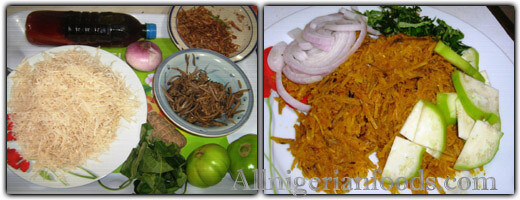
I like using the dried abacha (as you would find in the plate above) instead of the freshly made wet abacha the only reason is because the former give you the advantage of heating at the beginning for few minutes without being overly wet.
You can either heat or soak the dry Abacha in boiled water for about three minutes, then sieve and keep on a separate bowl.
Blend your crayfish and also slice the onions, garden egg leaves. It is advisable to dissolve the powdered potash in about 5 cl of clean water; this is a trick I employ just to easily filter out unwanted solid materials that is often embedded in potash.
Filter the dissolved potash into a mortar or pot leaving out the residue.
Add about 10cl of palm oil and stir to form a yellowish paste. This is the first part to making Abacha (African Salad), add the ground crayfish and pepper, stir, then add the ground ehu if you like.
Ugba is an important ingredient in the process of making African salad, it is considered incomplete without the present of this ingredient. Ugba is usually sold in most Nigerian markets or African shops (if you live outside Nigeria).
Add the ugba to the mixture and stir, and then add the abacha, salt. It is advisable to heat the abacha (using the method outlined above) just few second before you use so it doesn’t get cold, as most people in Nigeria like their Abacha to be a little bit warm.
Stir the whole combination and you are almost through with the preparation part.
The garden eggs, the leaves and the onions are used mostly to spice up or for decoration purposes and not added during preparation but while dishing out. They are often sliced and kept aside in different plates or bowls, then added while individual plates are dished out; this also goes for the meat or fish used.
Taste the combination in the mortar or pot, if it is as tasty as you desire, you may also want to turn on the cooker and heat for few minutes if it is not as warm as you desire.
Serve with the meat and also add the garden eggs (sliced) and leaves to individual plate, most people in the rural centers like to take African salad with palm wine. So get a bottle of palm wine or your favorite soft drink
Sunday, 28 September 2014
NIGERIAN SIMPLE STEW....................
Nigerian tomato stew is one of the most popular Nigerian food
recipes, it is easy to make and I would include this recipe on a list of
“Nigerian simple to make foods”, Reason for this would be that the
ingredients needed could be found in almost every part of the world and
almost anybody can put up this stew in less than fifty minutes.
Recently I also made a video on making Nigerian tomatoes stew, this video is detailed beyond expectation; you can find it at the bottom of this page.
I promised to take you through the guide on how to lose the sour taste of tomatoes easily. Most people end up with tomato stew that has soured taste, it is very conversant but we are going to learn how to eliminate that taste, at least the way I eliminate that taste. (This same method is expounded in the Nigerian Food eguide, page 11, 12 and 13)
Ingredients For Making Nigerian Tomato stew (like I always assert, these ingredients could be doubled or reduced depending on the number of people you are looking to feed and their stomach size) This would serve about eight to ten persons.
Meat of choice (preferably fresh chicken or goat meat) I used cow tail plus assorted meat below.
1.5 Liter of ground tomatoes
About one cup of fresh pepper
2 bulbs of onions
Spices (delice, curry powder, thyme, nutmeg {seed}, others)
Vegetable (optional)
Vegetable/groundnut oil (about 15 to 20cl)
Crayfish (about 1 cup {very small} Optional)
About three cubes of maggi or knorr
Salt to taste.
Wash the tomatoes and blend alongside the fresh pepper, also blend the crayfish alongside the nutmeg seed (1).
Pour the tomato paste into a sieve and allow to sieve out the water for 30 to 60 minutes (it wouldn’t leak out if you pour gently {I do it every day}, just pour gently)
Wash the meat (chicken goat meat, beef… etc.) and parboil with desirable ingredients (I like to use lots of ingredients while parboiling the meat and then use little or none while making the real foods, this practice is necessary if you want to end up with very tasty meats. Beside you can then use the meat extract [water from the meat] for the main cooking)
Below is the image of Nigerian Tomato Stew
 So
just add the washed meat in a pot, add a cup or two cups of water then
two to three cubes of maggi, onions and about a teaspoon of salt. Be
sure that at least half of the meat is completely submerged in water.
Add the ground crayfish and nutmeg after cooking for some minutes.
So
just add the washed meat in a pot, add a cup or two cups of water then
two to three cubes of maggi, onions and about a teaspoon of salt. Be
sure that at least half of the meat is completely submerged in water.
Add the ground crayfish and nutmeg after cooking for some minutes.
Cook until the meat is soft enough for consumption
Most times I chose to fry the tomatoes in a frying pan separately and then add it to the cooked meat in the pot, that is exactly how you will see it in the Nigerian Tomato Stew Video below.
Slice the onion and set your frying pan on the fire, add about 25 to 35 cl of groundnut/vegetable oil after the frying pan is dry. Add the sliced onions and fry for about 2 minutes to release the scent into the oil then pour in the tomatoes and fry (stirring occasionally to avoid burning).
This is just where most people miss it, have you made a tomato stew with sour taste? Something that tasted less than what you eat in restaurants? During the frying time is when you can either make or correct that mistake.
The secret to loosing the sour taste is in the sieving of the tomatoes and frying with lots of oil (which could be filtered out after frying – optionally) and then the use of onions (like I stated before, this method is covered in detail in the Nigerian food eguide)
Fry till the tomatoes lose its accompanying water and boils in oil alone. Then you can transfer to the main pot and add the delice (spice) or some other, add the maggi (seasoning) allow to cook for some minutes before adding the vegetable (optional and you are done with the preparation of tomato stew.
Could be served with rice, yam, beans, I even eat bread and stew often – it is delicious
Here is the video for making Nigerian tomato stew, follow this step by step video guide and also learn about all the ingredients used in making this popular Nigerian stew recipe
Recently I also made a video on making Nigerian tomatoes stew, this video is detailed beyond expectation; you can find it at the bottom of this page.
I promised to take you through the guide on how to lose the sour taste of tomatoes easily. Most people end up with tomato stew that has soured taste, it is very conversant but we are going to learn how to eliminate that taste, at least the way I eliminate that taste. (This same method is expounded in the Nigerian Food eguide, page 11, 12 and 13)
Ingredients For Making Nigerian Tomato stew (like I always assert, these ingredients could be doubled or reduced depending on the number of people you are looking to feed and their stomach size) This would serve about eight to ten persons.
Meat of choice (preferably fresh chicken or goat meat) I used cow tail plus assorted meat below.
1.5 Liter of ground tomatoes
About one cup of fresh pepper
2 bulbs of onions
Spices (delice, curry powder, thyme, nutmeg {seed}, others)
Vegetable (optional)
Vegetable/groundnut oil (about 15 to 20cl)
Crayfish (about 1 cup {very small} Optional)
About three cubes of maggi or knorr
Salt to taste.
Wash the tomatoes and blend alongside the fresh pepper, also blend the crayfish alongside the nutmeg seed (1).
Pour the tomato paste into a sieve and allow to sieve out the water for 30 to 60 minutes (it wouldn’t leak out if you pour gently {I do it every day}, just pour gently)
Wash the meat (chicken goat meat, beef… etc.) and parboil with desirable ingredients (I like to use lots of ingredients while parboiling the meat and then use little or none while making the real foods, this practice is necessary if you want to end up with very tasty meats. Beside you can then use the meat extract [water from the meat] for the main cooking)
Below is the image of Nigerian Tomato Stew
Cook until the meat is soft enough for consumption
Most times I chose to fry the tomatoes in a frying pan separately and then add it to the cooked meat in the pot, that is exactly how you will see it in the Nigerian Tomato Stew Video below.
Slice the onion and set your frying pan on the fire, add about 25 to 35 cl of groundnut/vegetable oil after the frying pan is dry. Add the sliced onions and fry for about 2 minutes to release the scent into the oil then pour in the tomatoes and fry (stirring occasionally to avoid burning).
This is just where most people miss it, have you made a tomato stew with sour taste? Something that tasted less than what you eat in restaurants? During the frying time is when you can either make or correct that mistake.
The secret to loosing the sour taste is in the sieving of the tomatoes and frying with lots of oil (which could be filtered out after frying – optionally) and then the use of onions (like I stated before, this method is covered in detail in the Nigerian food eguide)
Fry till the tomatoes lose its accompanying water and boils in oil alone. Then you can transfer to the main pot and add the delice (spice) or some other, add the maggi (seasoning) allow to cook for some minutes before adding the vegetable (optional and you are done with the preparation of tomato stew.
Could be served with rice, yam, beans, I even eat bread and stew often – it is delicious
Here is the video for making Nigerian tomato stew, follow this step by step video guide and also learn about all the ingredients used in making this popular Nigerian stew recipe
SOME KIND OF PAPPER SOUP.................
Pepper soup is one of the most delicious of all desserts in Nigeria. I
want to talk about the goat meat recipe and a couple of other recipes
that I know how to make. You will learn about the ingredients/spices
used for pepper soup also.
We have different recipes in Nigeria that are made with different kind of meat and fishes. The most popular is goat meat recipe followed by the assorted cow meat recipe (which includes shaki [cow tripe], pkomo, fresh meat, intestine, liver and kidney), also we have the cow tail peppersoup, catfish pepper soup which is fondly called ‘point and kill’.
Here is how I Make Nigerian peppersoup with assorted cow meat. I have used the phrase ‘Assorted cow meat’ on several parts of this site, for those of you who don’t know what I mean here is an explanation. Assorted cow meat in Nigerian is simply different parts of a cow, it includes the cow flesh (beef) cow tripe, liver, kidney, intestine and the Pkomo/kanda(cow skin).
I used all of that to prepare the goat meat peppersoup below as you will also see in the video at the bottom of this page.
Pepper soup is a very popular evening dessert in Nigeria, visit this page for all other Nigerian Dessert Recipes.
Here is all the ingredients I used as well as the images of “ehu” ‘assorted meat” and Uziza seeds
2 kg of Assorted meat
5 Seeds of Ehu
scent leaves
Uziza leaves
Ground Uziza seeds half teaspoon
Utazi Leaves
2 cubes of maggi or knorr
half cup of ground crayfish (optional)
2 bulbs of onions
salt and pepper to taste
Lion peppersoup Spice (optional)
Preparation.
The seed of ehu is one of the most relevant peppersoup ingredients and it requires a special kind of preparation. The normal practice is always to heat for ten to fifteen minutes so that the shell is darkened due to heat, you will see this in the video below. it takes less time to prepare if you are in the village and if you are cooking with fire-wood-made fire.
Just throw into the red charcoal for few seconds then remove and break out the outer membrane.

Hit gently with a pestle to break away the herd shell revealing the useful part.
You can do this to more than what you will use for this particular dessert and then grind and store the remainder in an airtight container. this same ingredient (ehu) is used for making several other Nigerian foods, like the African salad and Nkwobi Ndi Igbo.
Also grind the uziza seeds, slice the uziza and utazi leaves and set aside on a plate.
If you are preparing pepper soup with assorted goat meat you may want to wash the meat thoroughly with boiled water and start cooking with just onions and some simple ingredient. (A cube of maggi, salt and other spice of choice.
You can start cooking the hard meats first and then add softer and easier to cook ones later; I chose to begin with the cow flesh and cow tripe (towel) while I add the liver and kidney several minutes later.
Cook all the meats till they are soft enough for consumption then add the ground ehu, onions and uziza. Allow to boil for about five to ten minutes and then the taste for salt and pepper.
Add the sliced uziza, utazi and scent leaves simultaneously. Allow to boil for another five to ten minutes and you just made a delicious Goat meat peppersoup, One of Nigeria’s most popular evening desserts.
You can serve alone with a chilled bottle of your favorite drink. Although I like to eat this with boiled white yam and have found it to be a perfect combination, it could serve for dinner
We have different recipes in Nigeria that are made with different kind of meat and fishes. The most popular is goat meat recipe followed by the assorted cow meat recipe (which includes shaki [cow tripe], pkomo, fresh meat, intestine, liver and kidney), also we have the cow tail peppersoup, catfish pepper soup which is fondly called ‘point and kill’.
Here is how I Make Nigerian peppersoup with assorted cow meat. I have used the phrase ‘Assorted cow meat’ on several parts of this site, for those of you who don’t know what I mean here is an explanation. Assorted cow meat in Nigerian is simply different parts of a cow, it includes the cow flesh (beef) cow tripe, liver, kidney, intestine and the Pkomo/kanda(cow skin).
I used all of that to prepare the goat meat peppersoup below as you will also see in the video at the bottom of this page.
Pepper soup is a very popular evening dessert in Nigeria, visit this page for all other Nigerian Dessert Recipes.
Here is all the ingredients I used as well as the images of “ehu” ‘assorted meat” and Uziza seeds
2 kg of Assorted meat
5 Seeds of Ehu
scent leaves
Uziza leaves
Ground Uziza seeds half teaspoon
Utazi Leaves
2 cubes of maggi or knorr
half cup of ground crayfish (optional)
2 bulbs of onions
salt and pepper to taste
Lion peppersoup Spice (optional)
Preparation.
The seed of ehu is one of the most relevant peppersoup ingredients and it requires a special kind of preparation. The normal practice is always to heat for ten to fifteen minutes so that the shell is darkened due to heat, you will see this in the video below. it takes less time to prepare if you are in the village and if you are cooking with fire-wood-made fire.
Just throw into the red charcoal for few seconds then remove and break out the outer membrane.
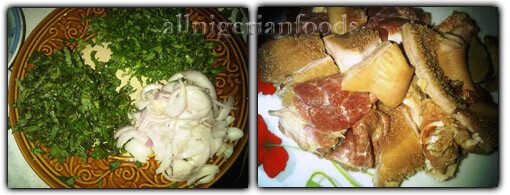
Hit gently with a pestle to break away the herd shell revealing the useful part.
You can do this to more than what you will use for this particular dessert and then grind and store the remainder in an airtight container. this same ingredient (ehu) is used for making several other Nigerian foods, like the African salad and Nkwobi Ndi Igbo.
Also grind the uziza seeds, slice the uziza and utazi leaves and set aside on a plate.
If you are preparing pepper soup with assorted goat meat you may want to wash the meat thoroughly with boiled water and start cooking with just onions and some simple ingredient. (A cube of maggi, salt and other spice of choice.
You can start cooking the hard meats first and then add softer and easier to cook ones later; I chose to begin with the cow flesh and cow tripe (towel) while I add the liver and kidney several minutes later.
Cook all the meats till they are soft enough for consumption then add the ground ehu, onions and uziza. Allow to boil for about five to ten minutes and then the taste for salt and pepper.
Add the sliced uziza, utazi and scent leaves simultaneously. Allow to boil for another five to ten minutes and you just made a delicious Goat meat peppersoup, One of Nigeria’s most popular evening desserts.
You can serve alone with a chilled bottle of your favorite drink. Although I like to eat this with boiled white yam and have found it to be a perfect combination, it could serve for dinner
How to Make Cocoyam Paste......
How to Make Cocoyam Paste (Ede Ofe) in a Blender Without a Mortar
 |
| Cocoyam Paste (Ede Ofe) made in a blender |
Cocoyam (Ede Ofe) paste is usually made by pounding boiled cocoyam in a mortar, but in the absence of a mortar, you can also prepare it in a blender, just like I did in my varsity days..
Cocoyam is a nutritious and healthy food,that is either eaten boiled, steamed or made into paste and used as soup thickeners.
The two common types of cocoyams in Nigeria are ''Colocasia esculenta'' & ''Xanthosoma sagittifolium root ''
Although these two varieties are edible, Xanthosoma sagittifolium root '', is usually boiled , roasted, steamed and sometimes pounded to make fufu meals while ''Colocasia esculenta''(cocoyam/ede ofe) is used mostly in Nigeria to thicken soups and some species are known to itch the skin. This is the type we will be using to make this paste.
When made into paste, ''Colocasia esculenta''(cocoyam/ede ofe) is used for adding viscosity to Nigerian soups, such as Bitter leaf soup(ofe onugbu), Nsala soup(White soup), Oha/Ora Soup, Ofe Owerri and a lot more.
Cocoyam (Ede Ofe) is also known as ''taro'' or '' eddoe''.
Here`s a video on How to Make Cocoyam Paste (Ede Ofe) in a Blender Without a Mortar.
Ingredients&Material used
* 10 medium Cocoyam corms (Colocasia esculenta)
* Hot water(enough to move the blender blades)
* A blender
Preparation
* Wash the cocoyam corms and place in a pot
* Add enough water to cover the cocoyams and leave to boil until soft
* The cocoyam corms are ready for blending , when the skin peels off easily
* Now take out the boiled cocoyams from the pot. Peel off the skin and place in a blender
* Add a little hot water to the blender, enough to move the blades, and blend until smooth; and your Cocoyam Paste (Ede Ofe) is ready for use.
If working with a larger quantity of cocoyams, blend in batches to avoid formation of lumps.You can make in advance and store in the freezer for later use.
Sunday, 21 September 2014
CARE FOR OUR POTS......
How to Take Care of Your Pots & Pans

Pots and pans are the hardest workers in the kitchen. They are used in cooking the food. When they are not on the stove, they hold the food and later go through a lot of scouring and cleaning. The following are ways you can make these useful utensils serve you better and longer.
- Before using a pot or pan for the first time after buying it, wash the utensil with hot water, leave to dry and rub the inside with a small amount of cooking oil. This oil maybe vegetable oil, groundnut oil or olive oil. This rubbing of the pot or pan with oil prevents food stains as much as possible.
- Do not heat a pot or pan when it is empty. Always ensure you have oil or water in the pan before setting it on the stove.
- Always use the correct burner size for the pot. If the burner is bigger than the pot, this means too much heat for the pot or pan and causes the utensil to have more exterior stains.If the flames are going up the sides of the pot or pan (in the case of gas burners) or if you can see the red coils from the base of the pot (in the case of vitro ceramic burners), then there is a pot size and burner size mismatch.If you continue cooking this way, the handles of your pots and pans will fall off quicker than when you are matching the pot and burner size.
- One of the best ways to remove burnt food from a pot or pan is to pour enough water to cover the burn, add some dish washing liquid and bring to the boil. Allow to soak till the water has cooled down. The burnt food can then be easily washed off from the utensil.It is never advisable to remove burnt food from the inside of a pot or pan by scraping with iron sponge. This creates lines inside the utensil and makes it easier for it to burn food in the future.
- Always wash the inside of your pots and pans with a soft sponge. You may use the iron sponge for the exterior of the utensil only.
- Do not use pots and pans in the oven if their handles are made of wood or plastic. The obvious reason is that this will cause wooden handles to char and plastic handles to melt.
Sunday, 7 September 2014
WALNUT AND IT'S IMPORTANCE!............
Oftentimes, the simplest foods are best for your health, and this is certainly the case for nuts, in which Mother Nature has crafted a nearly perfect package of protein, healthy fats, fiber, plant sterols, antioxidants, and many vitamins and minerals.
Among nuts, the case may be made that walnuts are king, as research shows they may boost your health in a number of ways at very easy-to-achieve "doses."
Eating just one ounce of walnuts a day (that's about seven shelled walnuts) may be all it takes to take advantage of their beneficial properties.
7 Top Reasons to Eat Walnuts
Walnuts belong to the tree nut family, along with Brazil nuts, cashews, hazelnuts, macadamia nuts, pecans, pine nuts, and pistachios. Each has its own unique nutritional profile.
One-quarter cup of walnuts, for instance, provides more than 100 percent of the daily recommended value of plant-based omega-3 fats, along with high amounts of copper, manganese, molybdenum, and biotin. Some of the most exciting research about walnuts includes:
1. Cancer-Fighting Properties
Walnuts may help reduce not only the risk of prostate cancer, but breast cancer as well. In one study, mice that ate the human equivalent of 2.4 ounces of whole walnuts for 18 weeks had significantly smaller and slower-growing prostate tumors compared to the control group that consumed the same amount of fat but from other sources.2. Heart Health
Overall the whole walnut diet reduced prostate cancer growth by 30 to 40 percent. According to another study on mice, the human equivalent of just two handfuls of walnuts a day cut breast cancer risk in half, and slowed tumor growth by 50 percent as well.
Walnuts contain the amino acid l-arginine, which offers multiple vascular benefits to people with heart disease, or those who have increased risk for heart disease due to multiple cardiac risk factors.3. Rare and Powerful Antioxidants
If you struggle with herpes, you may want to avoid or limit walnuts, as high levels of arginine can deplete the amino acid lysine, which can trigger herpes recurrences.
Walnuts also contain the plant-based omega-3 fat alpha-linolenic acid (ALA), which is anti-inflammatory and may prevent the formation of pathological blood clots. Research shows that people who eat a diet high in ALA are less likely to have a fatal heart attack and have a nearly 50 percent lower risk of sudden cardiac death.
Eating just four walnuts a day has been shown to significantly raise blood levels of heart-healthy ALA, and walnut consumption supports healthful cholesterol levels.
Separate research showed that eating just one ounce of walnuts a day may decrease cardiovascular risk and among those at high cardiovascular risk, increased frequency of nut consumption significantly lowers the risk of death.
Antioxidants are crucial to your health, as they are believed to help control how fast you age by combating free radicals, which are at the heart of age-related deterioration.4. Weight Control
Walnuts contain several unique and powerful antioxidants that are available in only a few commonly eaten foods. This includes the quinone juglone, the tannin tellimagrandin, and the flavonol morin.
Walnuts contain antioxidants that are so powerful at free-radical scavenging that researchers called them "remarkable," and research has shown that walnut polyphenols may help prevent chemically-induced liver damage.
In another study, researchers found that nuts, especially walnuts, have potent antioxidant powers. Walnut polyphenols had the best efficacy among the nuts tested and also the highest lipoprotein-bound antioxidant activity. The researchers concluded.
"Nuts are high in polyphenol antioxidants which by binding to lipoproteins would inhibit oxidative processes that lead to atherosclerosis in vivo. In human supplementation studies nuts have been shown to improve the lipid profile, increase endothelial function and reduce inflammation, all without causing weight gain."
Adding healthful amounts of nuts such as walnuts to your diet can help you to maintain your ideal weight over time. In one review of 31 trials, those whose diets included extra nuts or nuts substituted for other foods lost about 1.4 extra pounds and half an inch from their waists. Eating walnuts is also associated with increased satiety after just three days.5. Improved Reproductive Health in Men
One of the lesser-known benefits of walnuts is their impact on male fertility. Among men who consume a Western-style diet, adding 75 grams (a bit over one-half cup) of walnuts daily significantly improved sperm quality, including vitality, motility, and morphology.6. Brain Health
Walnuts contain a number of neuroprotective compounds, including vitamin E, folate, melatonin, omega-3 fats, and antioxidants. Research shows walnut consumption may support brain health, including increasing inferential reasoning in young adults.7. Diabetes
One study also found that consuming high-antioxidant foods like walnuts "can decrease the enhanced vulnerability to oxidative stress that occurs in aging," "increase health span," and also "enhance cognitive and motor function in aging.
The beneficial dietary fat in walnuts has been shown to improve metabolic parameters in people with type 2 diabetes. Overweight adults with type 2 diabetes who ate one-quarter cup of walnuts daily had significant reductions in fasting insulin levels compared to those who did not, and the benefit was achieved in the first three months.
Why You Should Eat the Walnut Skin
The outermost layer of a shelled walnut – the whitish, flaky (or sometimes waxy) part – has a bitter flavor, but resist the urge to remove it. It's thought that up to 90 percent of the antioxidants in walnuts are found in the skin, making it one of the healthiest parts to consume.16 To increase the positive impacts on your health, look for nuts that are organic and raw, not irradiated or pasteurized.
Furthermore, be aware that walnuts are highly perishable and their healthful fats easily damaged. If you're purchasing shelled walnuts in bulk, avoid those that appear shriveled or smell rancid, or that you cannot verify are fresh. Walnuts should be stored in an airtight container in your refrigerator or freezer, whether they are shelled or unshelled. Walnuts are great as a quick snack, but if you're not a fan of their flavor, you can still get their therapeutic benefits by blending them into smoothies. Or you can try one of the other healthful nuts available.
You can further improve the quality of walnuts by soaking them in water overnight, which will tend to lower some of the enzyme inhibitors and phytic acid. After soaking, you can dehydrate them at low temperature of around 105 to 110 degrees Fahrenheit until they are crispy again, as they are far more palatable when they are crunchy.
Most Nuts Are a Wonderful Food
You can't really go wrong when choosing nuts to eat, as long as you pay attention to quality. By this I mean look for nuts that are organic and raw, not irradiated, pasteurized, or coated in sugar. One exception is peanuts, which are technically in the legume family. My main objections to peanuts are that they tend to:- Distort your omega-3 to omega-6 ratio, as they are relatively high in omega-6
- Be frequently contaminated with a carcinogenic mold called aflatoxin
- Be one of the most pesticide-contaminated crops
The main fatty acid in macadamia nuts is the monounsaturated fat oleic acid (about 60 percent). This is about the level found in olives, which are well known for their health benefits. I have been consuming macadamia nuts and pecans almost daily since I started lowering my overall protein intake about a year ago. The following list shows the nutrition facts in grams per one ounce for your most common tree nuts (one ounce of nuts equates to just over 28 grams, or about a small handful):17
| Tree Nut | Fat (grams per ounce) | Protein (grams per ounce) | Carbohydrates (grams per ounce) |
| Macadamias | 22 | 2 | 4 |
| Pecans | 20 | 3 | 4 |
| Pine nuts | 20 | 4 | 4 |
| Brazil nuts | 19 | 4 | 3 |
| Walnuts | 18 | 4 | 4 |
| Hazelnuts | 17 | 3 | 5 |
| Cashews | 13 | 4 | 9 |
| Almonds | 14 |
Subscribe to:
Posts (Atom)